

The spectacular, Portuguese, progressive rock band Daymoon has returned in 2026, to release their 5th studio album, “Wednesday – A Bold Journey Through Sound and Story!” The album was released globally on January 7, 2026, on OOB Records.
“Wednesday,” (Its title name), is heralded as a defining moment in the band’s evolution—an introspective, and deeply textured work that pushes their eclectic approach to new heights. As always, Daymoon’s albums are great for challenging your perspectives on life, politics, and progressive music.
I absolutely agree with that assessment. This album will turn the current, modern, predictable progressive rock genre on its collective head. You will find traditional progs sounds intermingled perfectly with jazz, orchestral, operatic, and some other interesting genres; which is how progressive rock used to be, and should always be. Especially within a genre that values “progress.” Yes, this is the kind of album, the genre of progressive rock needed, and right now! The genre needs to re-evaluate and hopefully face the truth that they are facing completion from metal bands with more talent, imagination, music videos that draw fans in, and yes, even that bastion of progressive rock, the concept album. In the prog genre, the same bands seem to win all the awards and receive all the accolades from the same press, year after year. That just holds everyone and the genre back from true expansion and inspiration. Time for a shake-up and something absolutely innovative, and interesting.

Formed in Sintra, Portugal, Daymoon, is a progressive rock collective led by multi- instrumentalist Fred Lessing. Since their debut, “All Tomorrows,” in 2011, the band has blended progressive traditions with world, jazz, and experimental influences across acclaimed albums including: “Fabric of Space Divine,” released in 2013, “Cruz Quebrada,” released in 2016, and “Erosion,” released in 2022.
Lavínia Roseiro, is the lead vocalist, whose performance ties together the album’s contrasts of wonder, melancholy, and human fragility. In a surprising artistic twist, “Wednesday,” features no drums—a deliberate departure from the band’s previous works. Instead, Daymoon embrace spatial textures, melodic interplay, and delicate acoustic layers, resulting in an organic listening experience. Did I say different and innovative?
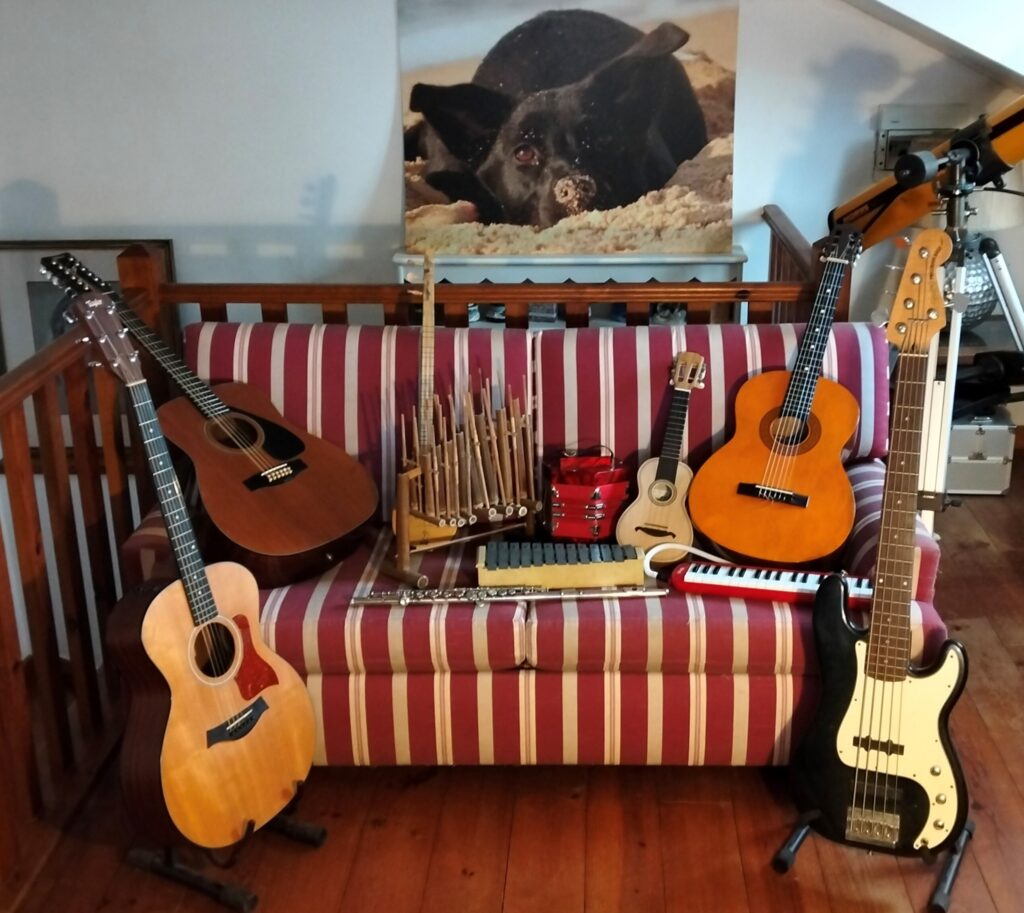
Daymoon is made up of band members: Lavínia Roseiro, on lead vocals and choirs, metallophone, and melodica; Luca Calabrese, plays bugle and trumpet; Paulo Chagas, on reeds and woodwinds (oboe, saxophone, flute, bass clarinet, Catalunyan gralla); Jeff Markham, on acoustic and electric piano, Hammond B3, and Minimoog; Thomas Olsson, plays electric guitar, ebow, and guitarscapes; Tiago Soares, sings vocals and plays violin on “Mid-Week Crisis.” Fred Lessing, plays 6 and 12-string acoustic guitars, bass guitar, cavaquinho, field recordings, flute, keyboards, melodica, metallophone, percussion, violin, vocals and narrates the story.

So, ok, Mark, how is “Wednesday,” that much different? Well, for one they use a deep list of unusual instruments, not common to progressive rock, to make their music. Just read over that list above. When was the last time you read about a progressive band using bugles, trumpets, Catalunyan gralla, cavaquinho, melodica, or a metallophone? Been a while…huh?
Then, there is the music.
This album opens with “Dyschordia,” and it opens with my favorite sound, that of a beautiful pipe organ. When was the last time you heard that on a progressive rock album? Thank you Fred. Then, soft plucked acoustic guitar and a room full of stringed orchestration. They build a soundscape, along with Brian May era guitar playing that will take you right back to early Queen. I think Fred said, “Queen II.” Keyboards, drums, electric guitar, chimes, bells, and percussion. It sounds wonderful and regal, like you remember from early Queen. But before this wonderful interlude opening of close to 2 minutes ends, it leaves your heart with that feeling that this will not be like every prog album you’ve ever heard recently. There are memories of the past, but it sounds so different than what you currently hear in modern prog.
The fun continues with Asian chorded sounds on “Mid-Week Crisis.” Flutes join, choirs and Lavínia Roseiro’s first vocals, with keyboards, horns, and an ethereal soundscape, which make you want to close your eyes and drift off with the music. The woodwinds and sax effects echo across the soundscape like waves of soft wind. Piano chords and keyboards fill the air with more light sensations. It is a dreamscape created to dazzle. Fred used the title Wednesday, which is in the middle of the work week to point, at times to the feeling many might have going through a mid – life crisis. Fred used his guitar, augmented by programming to create the interesting chords at the opening.
“Real Diehl,” opens with soft vocal choirs hauntingly singing ‘ooh,” supported by acoustic and electric guitar. All sorts of interesting guitar sounds, that you rarely hear on other prog albums, fill the air. I even hear a country-western electric maybe steel guitar sound, mixed well with the rest of the soundscape. Fred did not forget anything here, to create his “operatic,” soundscape. This and all of the soundscapes throughout the album are wonderful to experience. The feeling is like every instrument in this wall of sound is beating like the walls of a heart.
Rain waterfall opens “The Poet Who Vanished on Wednesday.” The sound of flute and soft guitar begin to fill the air. Lavínia Roseiro can be heard narrating the story here as the soundscape fills with spacey guitars and synths, and gorgeous flute solos playing all around. Absolutely different, indeed.
My favorite song, and the song which will probably be the one to bring in purchasers of progressive rock is “Oceans Of The Moon.” It opens with acoustic guitar and soft keyboards. It is a H.G. Wells and Jules Verne fantasy world experience come to life. Imagine these Victorian Era genius and science fiction writers, helping legions of dreamers pretend to watch the “Earth Rise,” from the Moon. Imagine the Moon, full of oceans and people looking back on the Earth, sipping tea. The perfect flute, and orchestra supporting this grand soundscape of many wonders. It is full of imagination and vision. There is a wonderful music video that brings it all to life. Imagine dinosaurs frolicking in the jungles and oceans, and people sitting back to watch them play. At over 7 minutes it is the album’s longest track. This is the song that will sell the album to many people.

“The Trees Of The Mind Are Black,” opens with piano, keyboards, oboe, and a mix of wonderful stringed instruments. It reminded me of a Traffic (1960s prog master band), playground from the late 1960’s. Then, some Portuguese music sounds, amidst echoing piano, vocals, woodwinds, flute, and strings. A whimsical, light, and airy breeze of a sound. The second longest track on the album.
“The Arrythmix,” opens with all manner of horns, trumpets, bugles, clarinets, and other woodwinds, mixed well with chorded instruments and other assorted sounds. I remember The Fleet Foxes, “An Argument,” sounding a little like this. Detached and without rhythm or melody. Just like a breeze blowing freely. Also, as the name may connotate, the song is full of palpitations and dizziness.
This ends the first, ‘singles,’ side of the album. Prepare for the environment and sound to change.
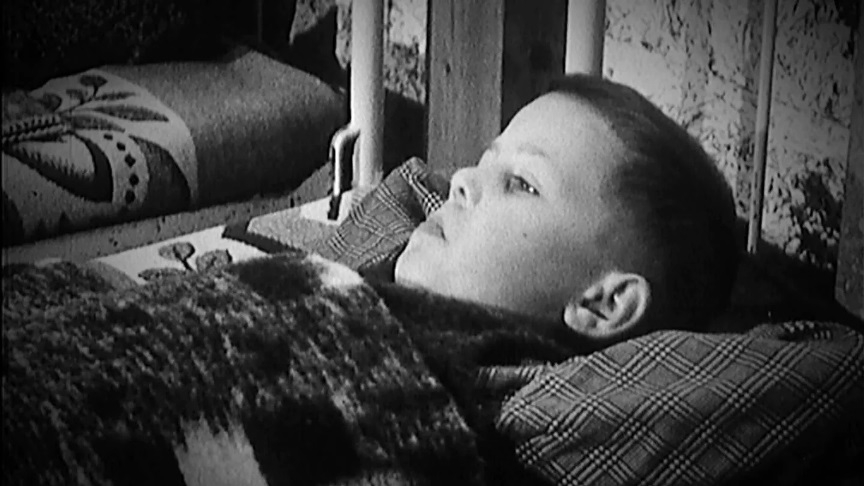
Then, the “Verschickungskinder Suite,” begins. And it is a darker trip into the experience of Fred Lessing, the band leader who experienced the story in all its vivid reality. Verschickungskinder, is a term for children and young people in the Federal Republic of Germany who were placed in homes for the purpose of carrying out health care measures outside their parents’ home through children’s cures. “From the end of World War II until the 1990s, around 15 million children received cures through a process known as “Verschickung,” a stay in a children’s home, usually lasting six weeks. The purpose: to strengthen the children’s health. The peak period was the 1950s and 1960s, when it was estimated that one in five children received such treatment. Journalist Lena Gilhaus began her research, starting with her father’s case. She published initial findings on children’s health retreats, after which people from all over contacted her and shared their own, sometimes horrific, experiences. As Fred described it, additional experiments were also carried out on the children.

And so, from an airy, whimsical album opening, we descend into a dark, Pink Floydian “Wall” – like atmosphere and memory. “Globulin Brine,” opens with a car driving away, on a day full of birdsong. Fred Lessing, was being dropped off by his parents. The opening to the song is full of soft striking piano. Many of these children’s homes were filled with what Fred called, ‘Operatic,’ music. Not true opera music, but jazzier, lose leaf, kind of music with choirs. The oboe, chimes and woodwinds return to fill the air with sound. Another wonderful, peaceful beginning, that you can enjoy as if you were listening to some of Kenny G’s favorites. “Globulins are a group of spherical proteins, including antibodies, that are insoluble in pure water but dissolve in dilute saline solutions.” This song begins to takes a very dark turn. As Fred Lessing sings, “Decay in the muddy grey. In the warm decay.”
“The Vice,” is like an excerpt from Pink Floyd’s “The Wall,” Fred sings to eerie violin, dark choirs, and Hitchcock – like “Psycho,” sounds, “Daily pills that anesthetized their thoughts. Head inside the vice. Beds side by side. Don’t play. Don’t speak. Don’t cry.” The treatment was designed to deny anyone the desire to oppose or resist those who were in charge. A sad song set to Orwellian and dystopian sounds and themes.
“Bitter Lemon Soup,” opens with a trumpet solo. It is a depressing song set to chimes and dark percussion. The song’s title says it all.
“Lie In Silence,” is another depressing song filled with trumpets, sax, brass, and deep piano, mixed well with choirs and sound effects. You can imagine being sedated and just lying in bed with your thoughts. Not all of them good. It is very deep and dark.
“Lungs Unfold,” is full of soft and beautiful slow piano. Chimes can be heard. Fred sings, “Trapped inside a fog. Why am I still here. Please take me home.” The chimes and bells were memories Fred had of bells going off at times throughout the homes. This music and theme is eerie and haunting sounds, and it will take you through what Fred was witnessing. Then, suddenly it seems that Fred escaped the home, for a short time. Only to be re-captured and returned to his “pen.”

That pen becomes “Solitary,” Or solitary confinement. Fred’s punishment for running away. A saxophone blows a slow, lone, cadence.
“Calling All Saints,” is full of warm piano and trumpets mixed well with other woodwinds and brass. A myriad of sounds and blended melodies. The mix of instruments is absolutely brilliant. Fred prays to be released from this seemingly endless nightmare torment.
“Cocoon,” opens with the sound of brilliant saxophone and chimes, as Fred’s parents return to bring their son home. Piano fills the air as Fred relates what has happened to him during this terrible time. His parents want him to forget what he went through and move on to the future. But it is not that easy, when you have been through as much as Fred has witnessed. Fred is dismayed by his parent’s doubt of the experiences he relays to them. Which makes it all that more difficult to traverse, mentally. However, he has returned home to the cocoon of safety. Church bells chime to close the song.
“The Healing,” is full of sax, melodica, metallophone, chimes, percussion, trumpet, brass, and grand piano. An instrumental opportunity to heal, to what sounds like the sea in the distance.
Wow! What a dynamic and compelling story and album, Fred Lessing and Daymoon have created with “Wednesday.” The first half is a wonderful and whimsical departure from current, modern progressive rock. The second half is an operatic variation of the trials and tribulations Roger Waters sings about on “The Wall.” Only what Fred Lessing went through here seems deeper and darker. To bring these two radically different worlds together in one album is an accomplishment itself. To make it all entertaining and interesting is a much higher goal. I believe Fred Lessing and his band of musicians in Portugal has accomplished a soaring example of what progressive rock used to be. A story wrapped within virtuoso level musicianship. This is not your average, sampled and replayed progressive rock, this is composed music full of a story with an objective. Get Daymoon’s “Wednesday,” and listen to the kind of innovation and talent that used to be commonplace throughout the progressive rock genre. Thank you Fred Lessing for stretching our minds beyond the limited experiences of life many of us encounter.

“Wednesday,” was recorded and produced by Fred Lessing. Mixing was completed by Fred Lessing and Vince Welch. Album mastering was completed by Vince Welch. The sleeve design was completed by Dinis Ramos©
Album Track List:
- Dyschordia – 1:43
- Mid-Week Crisis – 3:19
- Real Diehl – 3:10
- The Poet Who Vanished on Wednesday – 3:02
- Oceans Of The Moon – 7:15
- The Trees Of The Mind Are Black – 6:04
- The Arrythmix – 1:49
- Globulin Brine – 6:33
- The Vice – 1:21
- Bitter Lemon Soup – 3:05
- Lie In Silence – 3:36
- Lungs Unfold – 3:47
- Solitary – 1:19
- Calling All Saints – 2:54
- Cocoon – 3:43
- The Healing – 3:29
Band Website and Social Media Links:
Label: OOB Records – www.oob-records.com
Bandcamp: https://daymoon.bandcamp.com/album/wednesday
Spotify: https://open.spotify.com/album/1K5NyOztYoP81xbpnizeen?si=wuE9e5lqS9ujpyhG4r98L
https://www.facebook.com/daymoon.music
https://music.apple.com/us/artist/daymoon/448767518
YouTube and Music Video Links:
https://www.youtube.com/@daymoon-band/videos