Progressive Rock (also known as Prog Rock, or simply Prog) is a musical genre that was initially developed in the United Kingdom in the late 1960s and had its golden age in the first half of the 1970s.
The late 1960s and early 1970s was a time of musical exploration. Young musicians experimented with new musical instruments and incorporated and combined various musical genres in new, unexpected ways.
Progressive Rock was a natural outgrowth of the experimental Psychedelic period. What took Progressive Rock to another level was that the musicians who got involved had a more developed understanding of music theory and musical history.
Early progressive rock mixed rock with blues [SBB, Camel], classical music [Moody Blues, The Nice, ELP], folk [Renaissance, Gentle Giant, Strawbs], and jazz [Soft Machine, Caravan] elements, sometimes under the influence of hallucinogenics for psychedelic music. In addition to these musical influences, progressive rock musicians added other art forms such as literature, theater [Genesis] and innovative graphic design.
Progressive rock is known for its use of complex compositions, including frequent time signature changes. This means that within a single song, the rhythm and tempo can change multiple times, creating a dynamic and unpredictable listening experience for the audience. The use of odd time signatures, such as 5/4, 7/8, and 9/8, is also common in progressive rock music.
King Crimson, Gentle Giant, Genesis, and Yes, among others, are known for their use of complex time signatures in their music.
In progressive rock, time signature changes are often used to create tension and release, add complexity and depth to the music, and highlight the technical skills of the musicians. This approach to songwriting and composition has influenced many other genres of music, including jazz, heavy metal, and fusion.
Early Progressive Rock
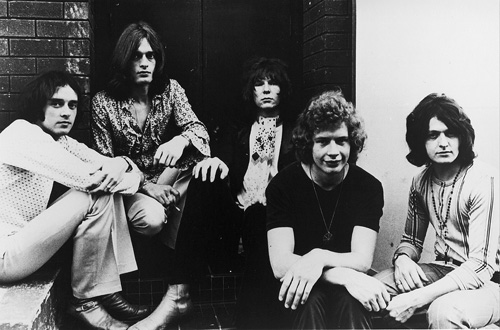
Although there are different perspectives about the beginning of progressive rock, early pioneers included the Moody Blues, Soft Machine, The Nice, and Pink Floyd. Experimentation by the Beatles, including one of the early uses of mellotron on “Strawberry Fields Forever,” and ambitious song suites for the second half of Abbey Road, was also highly influential.
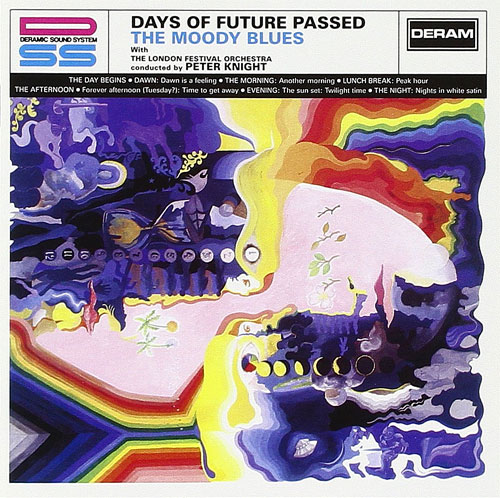
The Moody Blues released a landmark album titled Days of Future Passed in 1967 that mixed rock and classical music in the form of a symphony orchestra. The original project, as conceived by the Deram record label, involved remaking Dvorak’s New World Symphony, but the Moodies decided to go with their own compositions instead.
Another British band called The Nice, led by keyboardist Keith Emerson, put out five albums in the 1960s and 1970, The Thoughts of Emerlist Davjack (1967), Ars Longa Vita Brevis (1968), Everything As Nice As Mother Makes It (1969), Elegy (1970) and The Five Bridges (1970) that fused rock with classical music and jazz elements.
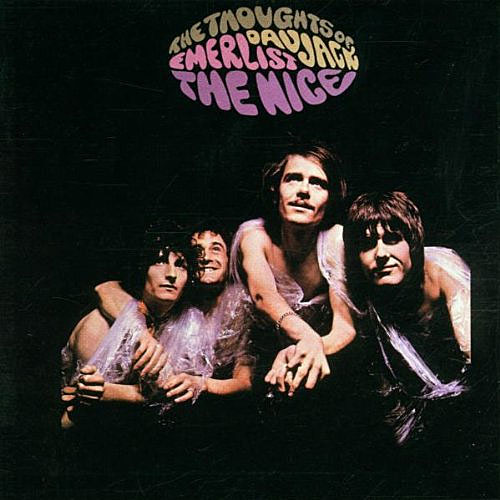
The Nice – The Thoughts of Emerlist Davjack
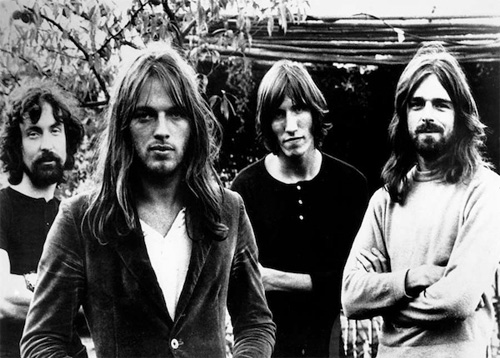
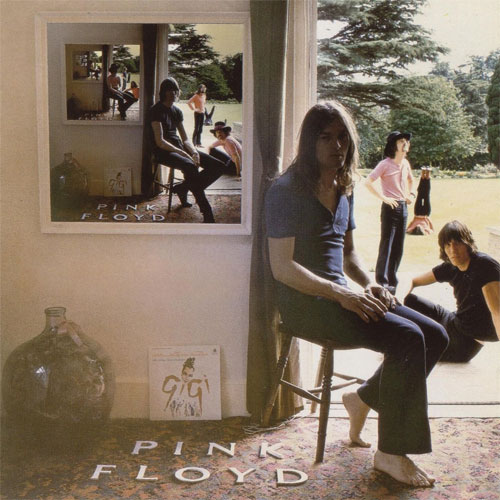
Pink Floyd, founded in 1965, released The Piper at the Gates of Dawn (1967) and A Saucerful of Secrets (1968) where they combined pop and psychedelic rock. With the departure of Syd Barrett and the arrival of guitarist David Gilmour, Pink Floyd steered towards a progressive rock direction, adding extended musical pieces, additional sound experimentation and incorporating electronic effects. Pink Floyd’s progressive era started with Ummagumma (1969) and Atom Heart Mother (1970).
The 1970s
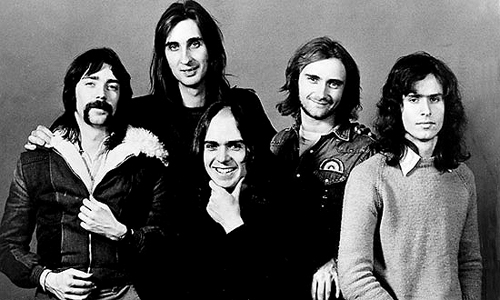
The early 1970s produced some of the most iconic and memorable progressive rock acts of all time. Leading artists in the 1970s encompassed British groups Genesis, Pink Floyd, Emerson, Lake and Palmer, King Crimson, Yes, Gentle Giant, Van der Graaf Generator, Renaissance, Caravan, Jethro Tull, Curved Air, Gong, Camel, Greenslade, and Barclay James Harvest.
Simultaneously, progressive rock sprouted throughout the rest of the world. Italy produced some of the finest acts and one of the most prolific scenes with first-rate bands that rivaled the British acts in creativity and quality. The top Italian acts at the time were Premiata Forneria Marconi, Banco Del Mutuo Soccorso (also known as Banco), Celeste, Il Balletto Di Bronzo, Le Orme, Latte e Miele, New Trolls, and Quella Vecchia Locanda.
What stimulated the Italian musicians was their more comprehensive appreciation for classical influences and the incorporation of Italian folk influences.
In other countries, progressive rock was mixed with folk music as well. In Spain, bands combined progressive rock with flamenco [Triana, Iman, Cai] and Celtic music [Granada]. Meanwhile Argentine band Alas incorporated tango and Chilean group Los Jaivas featured Andean music influences.
The UK Scene in the 1970s
A few British record companies played an important role in the development of progressive rock. These were primarily Charisma Records, Manticore Records, Vertigo Records (as well as its parent company, Phillips), Harvest, Chrysalis, Deram, and Virgin Records.
Charisma Records released albums by Genesis, The Nice, Van der Graaf Generator and Rare Bird.
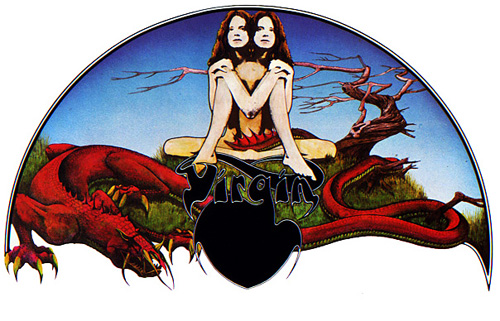
Virgin Records was, at the time, a cutting-edge indie label with a deeply adventurous spirit, releasing albums by Mike Oldfield and numerous experimental, electronic and progressive rock artists from the UK, Germany, France and Finland, including Gong, Faust, Henry Cow, Hatfield and the North, Tangerine Dream, Kevin Coyne, Slapp Happy, Edgar Froese, Robert Wyatt, Comus, David Bedford, Clearlight, Steve Hillage, Wigwam, Pekka Pohjola, and Can.
Meanwhile, Manticore Records, a record label developed by Emerson, Lake & Palmer’s production company, released albums by Emerson Lake and Palmer, singer-songwriter Peter Sinfield and superb Italian bands Premiata Forneria Marconi and Banco.
Instrumentalists like Anthony Phillips (former Genesis guitarist), keyboardist Rick Wakeman (Yes), and guitarist Steve Hackett (Genesis) released essential progressive rock solo recordings.
Progressive rock subgenres
Progressive rock subgenres include avant-garde rock, Canterbury, jazz-rock and fusion, Krautrock, neoprog, post rock, progressive folk, progressive electronic, progressive psychedelic, rock andaluz, Rock In Opposition (RIO), rock progresivo italiano, space rock, symphonic rock, and Zeuhl.
Rock in Opposition (RIO)
Rock in Opposition, also known as RIO and Avant Progressive, representes a mix of progressive rock acts, artists inspired by Frank Zappa’s combination of humor and virtuosity, as well as avant-garde and experimental progressive music bands in the late 1970s that joined to promote its members and shared their opposition to the recording industry that refused to recognize their music.
The leading RIO acts include Univers Zero (Belgium), Aksak Maboul (Belgium), Henry Cow (UK), Stormy Six (Italy), Samla Mammas Manna [later known as Zamla Mammaz Manna and von Zamla], Etron Fou Leloublan (France), Art Zoyd (France), Art Bears (UK), Aranis (Belgium), Thinking Plague (USA), Ruins Alone (Japan), Yugen (Italy), Guapo (UK), Hamster Theater (USA), Luz de Riada (Mexico), and October Equus (Spain).
The documentary Romantic Warriors II explores the origins of the RIO movement in the late 1970s.
Zeuhl in France
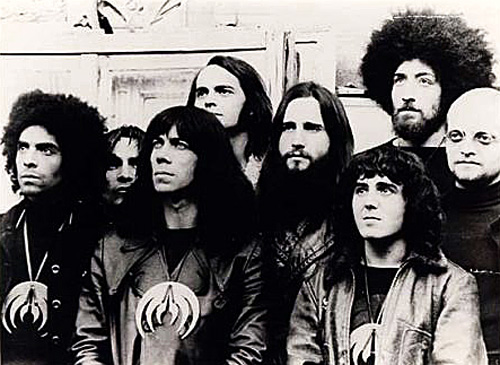
A French band called Magma astonished the progressive music world with its powerful mix of rock, jazz, operatic vocals, and contemporary classical music. The band used lyrics written in a rare new language called Kobaian that was constructed by its founder, drummer, composer, and vocalist Christian Vander.
Magma became a popular underground act and generated a new sub-genre within progressive rock called Zeuhl that spawned acts created by former members and new bands inspired by Magma like Weidorje, Eskaton, Zao and Shub-Niggurath.
The international scene
Aside from the UK and Italy, other nations produced significant progressive rock acts:
Argentina: Alas, Arco Iris, Bubu, Crucis, Espiritu, La Máquina de Hacer Pájaros, and MIA (Músicos Independientes Asociados).
Australia: Sebastian Hardie, Mario Millo, and Windchase.
Austria: Eela Craig, Isaiah, Paternoster.
Belgium: Cos, Isopoda, Machiavel, and Univers Zero.
Brazil: Bacamarte, Os Mutantes, and O Terco.
Canada: Et Cetera, FM, Harmonium, and Maneige.
East Germany: Stern-Combo Meißen.
Finland: Apolo, Fantasia, Finnforest, Kalevala, Pekka Pohjola, Tabula Rasa, Wigwam.
France: Ange, Arachnoid, Atoll, Eskaton, Halloween, Magma, Mona Lisa and Pulsar.
Germany: Anyone’s Daughter, Birth Control, Eloy, Grobschnitt, Hoelderlin, Nektar, Pell Mell and Triumvirat.
Greece: Aphrodite’s Child, Socrates, and Vangelis.
Japan: Shingetsu, Bi Kyo Ran, Ain Soph, Magical Power Mako, Kenso and Quaser.
Netherlands: Alquin, Earth and Fire, Focus, Finch, Kayak, Lady Lake, Supersister, Trace.
New Zealand: Ragnarok.
Poland: SBB and Budka Suflera.
Romania: Sfinx.
Spain: Atila, Azahar, Bloque, Cai, Canarios, Cotó en Pel, Crack, Fusioon, Gotic, Granada, Guadalquivir, Gualberto, Khorus, Iceberg, Imán, and Mantra.
Sweden: Dice, Isildurs Bane, Kaipa, Samla Mammas Manna.
USA: Ethos, Fireballet, Happy the Man, Kansas, Todd Rundgren’s Utopia, and Starcastle.
Fantasy Artwork
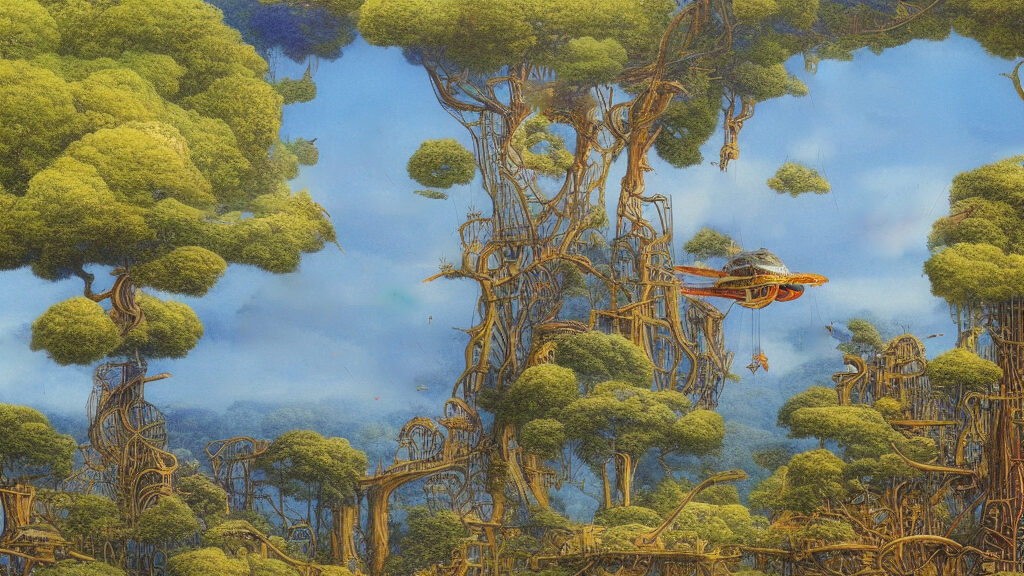
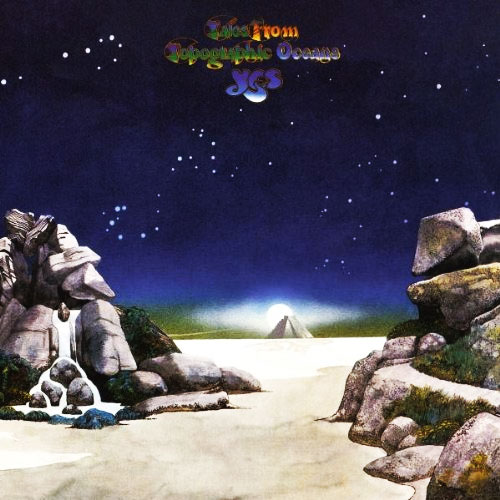
The cover artwork of many LPs of the era reflected an interest in fantasy and science fiction. Roger Dean’s designs fascinated fans with colorful, highly creative album covers for artists such as Yes, Gentle Giant and Greenslade, and even African music group Osibissa.
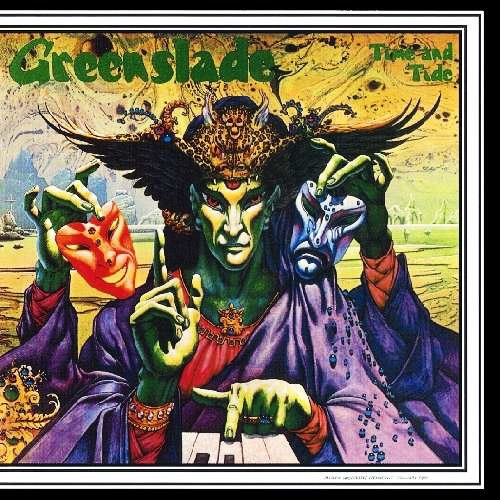
Another famed illustrator who worked with progressive rock album cover artwork was Patrick Woodroffe. He made the sleeve art for Greenslade’s Time and Tide and the magnificent illustrated science fiction book+LP “The Pentateuch of the Cosmogony.”
Also of note is Paul Whitehead, who not only painted covers for Nursery Cryme and Foxtrot, by Genesis, but then went on to paint a cover for the Italian group, le Orme.
Swiss surrealist artist H.R. Giger made very few album covers during his lifetime. Two of his cover designs were made for progressive rock acts: Brain Salad Surgery (1973) by Emerson Lake & Palmer, and Attahk (1978) by French band Magma.
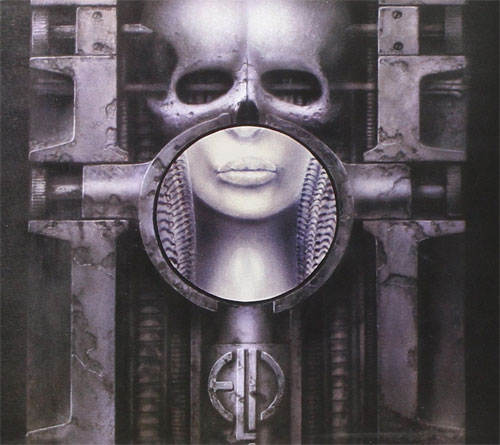
Music fans enjoyed the cover artwork of full 12” vinyl album covers. They sat down with the music on, and the album in hand to read the lyrics. The larger size artwork made the discovery of new music a complete experience that many younger fans raised on CDs, and now streaming, will hardly ever experience.
Roger Dean and Paul Whitehead are still creating musical works of art to this very day.
The Influence of Electronic Instruments
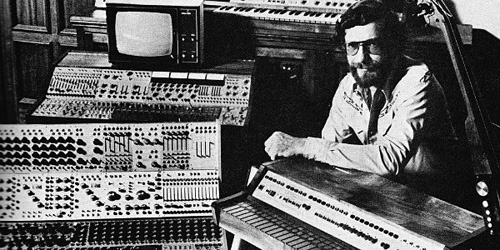
The arrival of new technical gear and electronic musical instruments played an essential role in the development of progressive rock. Early synthesizers were originally enormous modular devices that were practically impossible to carry on tours.
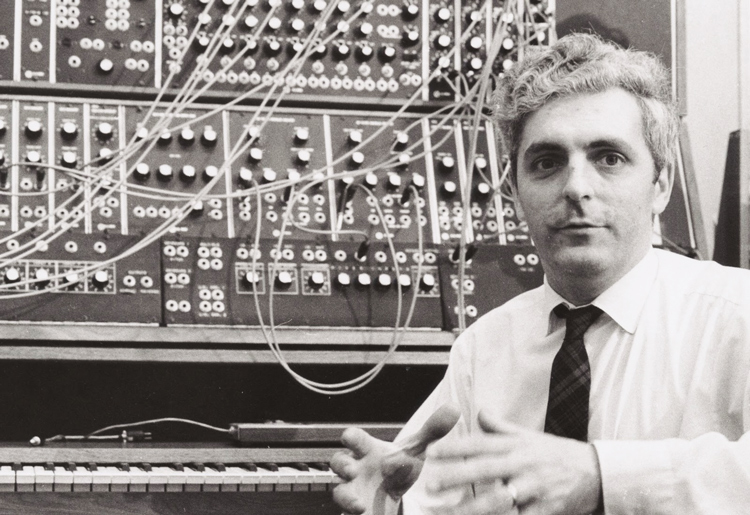
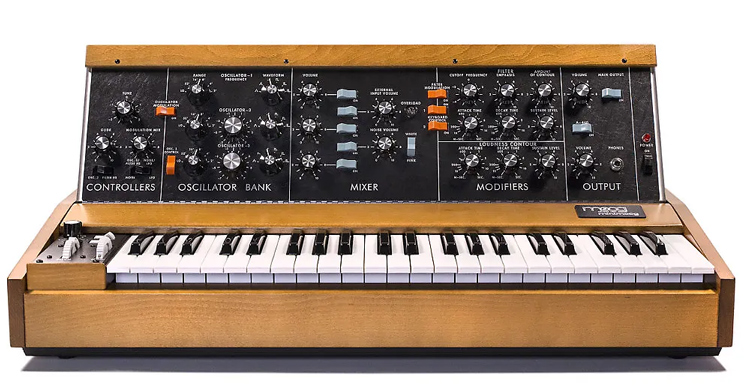
Companies like Moog and ARP miniaturized synthesizers and made them portable and affordable. Progressive rock bands, who would normally not be able to afford a real orchestra, were able to use orchestral effects with the aid of string synthesizers and especially the Mellotron.
The Mellotron is perhaps the most cherished instrument for many progressive rock enthusiasts and musicians. Its synthetic orchestral, flute and choral sounds played, and still plays, a key role in authentic progressive rock music.
Mike Pinder of the Moody Blues worked with Mellotron to test their machines. The Moody Blues were perhaps one of the earliest full-fledged adopters of this musical instrument. The Beatles used it for effect but it literally became part of The Moody Blues sound.
Musicians who used Mellotrons, Moog synthesizers and other electronic keyboards included Keith Emerson (The Nice, ELP), Rick Wakeman (Yes), Tony Banks (Genesis), David Sinclair, Thijs van Leer (Focus), Rick Van Der Linden, Vittorio Nocenzi (Banco), Vangelis, and Patrick Moraz.
New electric guitars and effect pedals and other devices added a wide spectrum of new sounds and possibilities for guitarists and bass players.
English guitarist Steve Hackett placed an ad in Melody Maker about looking to join a band “determined to strive beyond existing, stagnant music forms”. His use of pedals, volume and other devices added to the sound textures.
Late 1970s Decadence
Several factors contributed to the decadence of progressive rock in the late 1970s. Some of the leading groups suffered musical transformations and notorious desertions. When Genesis lost vocalist Peter Gabriel and guitarist Steve Hackett, it changed direction, shifting to pop, and became a chart topping band.
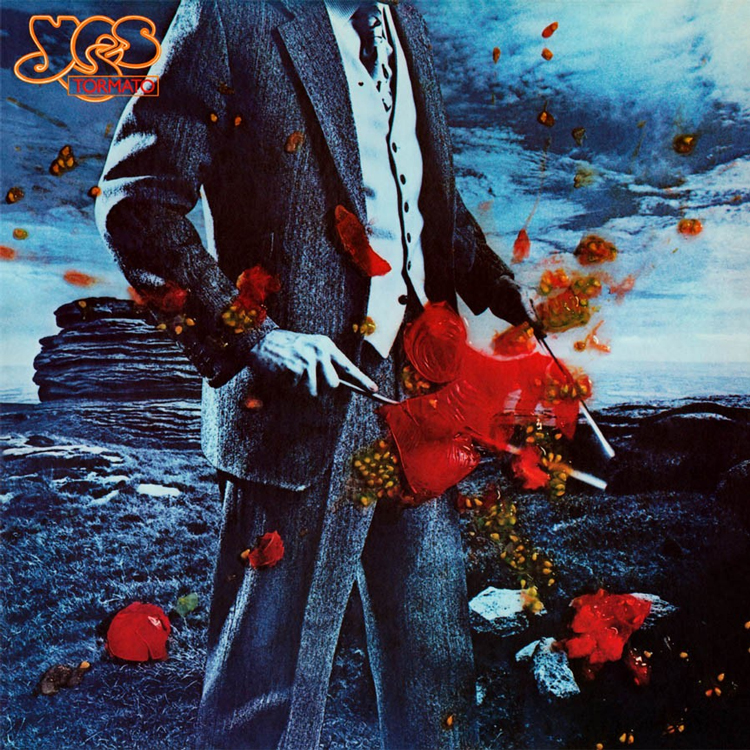
Another iconic act, Yes, eliminated its captivating long suites and replaced them with radio friendly Adult Oriented Rock (AOR). Coincidentally, the first Yes album to not feature at least one long suite since before The Yes Album featured a torn-apart tomato across its cover (Tormato). Did that torn-apart tomato symbolize how their majestic ambition got torn apart?
After making legendary progressive albums, Emerson, Lake and Palmer drifted towards melodic rock and AOR on albums like Love Beach. Similar cases happened in other countries. One of the most bizarre changes happened to Italian band New Trolls. It switched from classical music-influenced progressive rock to Bee Gees-style disco and pop in the late 1970s, disconcerting its fans.
The pressure from record companies had a major influence in the decline of progressive rock. Record companies wanted pop hits and insisted on making the music more commercial. Radio stations also played a key role. The restrictive formats of commercial FM radio did not contemplate extensive ten, twenty or thirty minute tracks.
Radio stations played a severely edited “Roundabout” single from Yes. Even though it proved to be a big hit, fans were confused when they discovered the original track was actually twice as long.
Spanish progressive rock band Crash mentioned at the time how one of their most ambitious long pieces was sliced into four or five different tracks by their record company.
Some influential pop music critics in the UK, USA and other countries frequently launched vicious attacks against progressive rock, calling it pompous, self-indulgent and bombastic. Many of these critics confused progressive rock with the highly commercial AOR (Adult Oriented Rock) format.
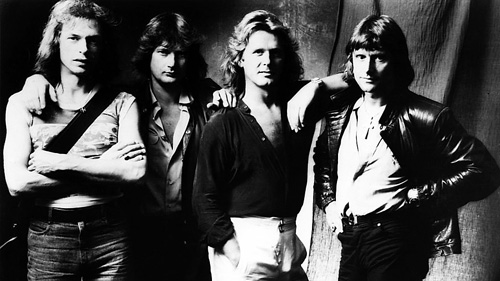
Another word critics often used was “pretentious.” Jerry Lucky’s analysis of this is that the critics never understood progressive rock, and in fact never wanted to understand it. Much of their vitriol was nothing more than projection rather than honest critical reviews.
Progressive Rock Confusion
One of the biggest problems with progressive rock is the fact that many acts changed genre throughout their career. Poorly informed publicists, music critics and music fans were not aware that certain recordings in a band’s career were not progressive rock.
Radio friendly groups such as Styx, Asia, Foreigner, Saga, Toto, Supertramp, and Journey were categorized by the pop music media as progressive rock when they clearly were not, even if the line-ups included former progressive rock musicians.
Or if the band did include a track or two that bore all the hallmarks of a Progressive Rock composition, as many of these bands did, especially on their early album releases. Supertramp’s Fool’s Overture, for example.
Asia used fantasy-style covers and featured prominent musicians from some of the finest progressive rock groups, such as Yes, King Crimson, Emerson Lake and Palmer and hard rock band Uriah Heep. However, all their musical pieces were short pop songs intended for commercial radio. Unfortunately, many pop critics regarded as progressive rock any band that used many keyboards.
Rock bands like Argent, Manfred Mann’s Earth Band and Rush had a progressive rock phase in their career and made progressive rock albums, but the rest of their discography was clearly not progressive rock.
Some of these bands (and others) took what they learned or created in the progressive rock sphere and attempted to incorporate it into their newer shorter compositions to varying degrees of success. Rush, for example, on their last couple albums went back to instrumentals, slightly longer compositions and even the use of the Mellotron.
The Progressive Rock Underground: Treasure Hunters
While it seemed like progressive rock was on its way out in the late 1970s, many fans across the globe were not ready to give up. This became the period of collectors and mail order companies. The word got around that there were progressive rock recordings worldwide and music fans found ways to acquire LPs through travel, friends and pen pals.
Registered postal packages circulated worldwide, bringing cherished treasures to collectors. For example, the album by Cuban progressive rock band Sintesis, En Busca De Una Nueva Flor, was very hard to get directly from Cuba, but a licensing deal in Mexico made it available to international audiences.
Japanese collectors and specialty stores were especially good at discovering progressive rock from all corners of the world. Sometimes they introduced rare albums by European bands to Europeans themselves.
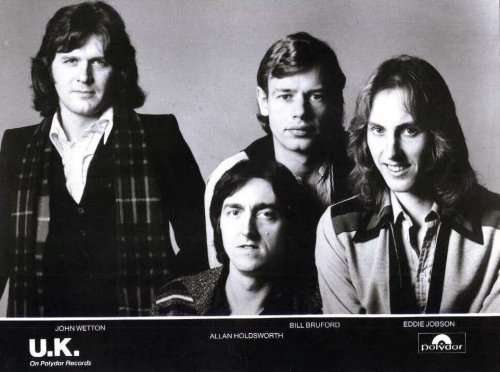
Despite the difficulties, there were still musicians who braved the odds and continued to perform progressive rock. One of the finest British progressive rock bands of the 1970s, UK, was formed during that period. The supergroup included memorable singer and bassist John Wetton (King Crimson); masterful drummer Bill Bruford (Yes); virtuoso keyboardist and violinist Eddie Jobson (Frank Zappa); and groundbreaking guitarist Allan Holdsworth (Gong).
Despite all the efforts of the media and the critics, Progressive Rock never completely vanished from the music scene. By the late seventies, many upcoming British musicians and bands raised on Progressive Rock began charting their own brand of the genre.
The 1980s, the Renaissance and Neoprog Era
In the 1980s, progressive rock experienced a comeback. Some critics and fans call it the Neoprog era.
The progressive rock renaissance took place in many nations during the 1980s, although, once more, it was UK bands that initially re-popularized the genre. The most influential was Marillion, a group inspired by early Genesis. Other popular acts included IQ, Pendragon, Pallas, The Enid, and Twelfth Night.
Additional British progressive rock bands of the era include Arena, Enchant, Haze, Final Conflict/FC, Fish, Dagaband, Galahad, Jadis, Janysium, Landmarq, Mach One, Mindgames, Clive Nolan, Quasar, and Shadowland.
Japanese Powerhouse
Japan went from an importer of international progressive rock to developing an explosion of first rate bands influenced by the 1970s pioneers. Leading Japanese acts from the 1980s include Asturias, Gerard, Kenso, Mr. Sirius, Negasphere, Outer Limits, Vermilion Sands, and the female led, ELP inspired trio ArsNova.
Expansion of the Progressive Rock Indie and Underground Scene
Music enthusiasts turned their interest in progressive rock into a profession. Specialized magazines and fanzines sprouted in various parts of the world. Naohiro Yamazaki’s Marquee (Japan) was one of the most visible, with beautiful color covers and extensive information about the current and past progressive rock scene. Marquee also became an importer of international progressive rock, including rare recordings from all parts of the world.
In the United States, Archie Patterson’s Eurock magazine was a must-read. The English-language publication specialized in progressive rock and other progressive styles like electronica and avant-garde music. Eurock also had an impressive mail order service that carried some of the best releases from numerous countries. Other American catalogs with an admirable collection included ZNR and Wayside Music.
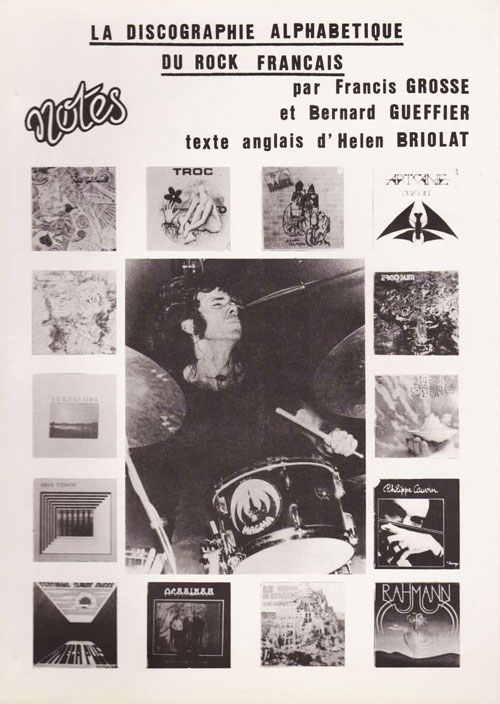
In Europe, French progressive rock collectors Bernard Gueffier and Francis Grosse set on a mission to hunt down and reissue many of the international progressive rock gems that were out of print, while at the same time, they started to release recordings by new acts as well as new recordings by veterans. The name of their company was Musea, and it grew to be one of the largest progressive rock labels in the world. Grosse and Gueffier also wrote and published a bilingual book (French/English) titled “La discographie alphabétique du rock français” in 1984. The discography featured an extensive list of French rock bands and solo artists from the 1970s and early 1980s that included many progressive rock and electronic music acts.
In terms of new talent discoveries, the Exposure progressive rock compilation series gave opportunities to new bands through a collection of progressive rock samplers that included Exposure (No Man’s Land, 1986), the 2-LP Double Exposure (No Man’s Land, 1987) and Exposure 88 (Andraea crt, 1988). The people behind this project were British musician Steven Wilson (who later formed Porcupine Tree) and Spanish music journalist and record producer Angel Romero. For the third project of the series, Exposure 88, Dutchman Peter Lindenbergh joined Steven and Angel.
New progressive bands from the 1980s that appeared in the Exposure series included: UK: Abel Ganz, Colstfoot, Borag Thungg, No Man is an Island Except the Isle of Man, Twice Bitten, Comedy of Errors, The Bond, Mazlyn Jones, No Man Is an Island, Haze, Plenty, Wierdstone, Rog Patterson; Spain: Pharaon, Aletsesoida, Heimdal, Galadriel, Harnakis, Rivendel; Italy: Airspeed, Notturno Concertante, Barrock, Asgard; Netherlands: Egdon Heath, Odyssice, The Last Detail; Sweden: Isildurs Bane; and Germany: Rousseau.
The 1990s, the Third Generation
Although some second generation progressive bands from the 1980s continued into the 1990s, the new decade was characterized by a whole new wave of progressive rock bands.
In the 1990s, Scandinavia became a progressive rock powerhouse, with some of the finest third generations acts, such as Änglagård, The Flower Kings, and Anekdoten (Sweden); as well as White Willow and Wobbler (Norway).
Other essential acts from the era include Big Big Train (UK), the highly influential Spock’s Beard (USA), Finisterre (Italy), Höstsonaten (Italy), IZZ (USA), Echolyn (USA), and Iluvatar (USA), Ozric Tentacles (UK).
Meanwhile, established bands from previous decades continued releasing high quality progressive rock albums: Kenso (Japan), IQ (UK), Ain Soph (Japan), Djam Karet (USA), Miriodor (Canada), Galadriel (Spain), Pendragon (UK), Glass Hammer (USA), Eris Pluvia (Italy), Cast (Mexico), and Amarok (Spain).
Essential albums from this era include:
1990:
- Mastermind – Volume One
1991:
- Camel – Dust And Dreams (UK)
1992:
- Anglagard – Hybris
1993:
- Anekdoten – Vemod
1994:
- Marillion – Brave (UK)
- Purple Overdose S/T (Greece)
1995:
- Spock’s Beard – The Light (USA)
- Cinema Show – Danca Dos Ventos (Brazil)
- Eduardo Moreno – El Ultimo Hombre (Spain)
1996:
- Porcupine Tree – Signify (UK)
- Thalita Qumi – Despre Cuvinte (Romania)
1997:
- Djam Karet – The Devouring (USA)
- White Willow – Ex Tenebris
- I.C.U. S/T (Germany)
- Sammelsurium Palam (Germany)
- La Tulipe Noire – In The Gates Of Dream
- Volare – The Uncertainty Principle (United States)
1999:
- French TV – The Violence Of Amateurs (USA)
- Volare – Memoirs… (United States)
- Purple Overdose – Reborn (Greece)
Prog Metal Controversy
Confusion in terms of what is and what’s not progressive rock still maligned progressive rock. While in the 1970s and 1980s Adult/Album Oriented Rock (AOR) was frequently confused with progressive rock, in the 1990s, heavy metal was thrown into the mix. Marketers, labels, and music writers started including heavy metal acts under the category of progressive rock and called it prog metal.
There is a belief among some progressive rock fans and music critics that progressive metal is not a true subgenre of progressive rock. This perspective stems from the fact that progressive metal tends to incorporate more elements of heavy metal, such as distorted guitars and aggressive vocals, than traditional progressive rock. However, music genres are subjective and open to interpretation. Ultimately, whether someone considers progressive metal to be a subgenre of progressive rock is a matter of personal perspective and taste.
Heavy metal bands that some have reclassified as progressive rock include Dream Theater, Queensrÿche and Fates Warning.
The 2000-2010 Era
During the first decade of the 2000s, several bands consolidated their positions as leading progressive rock acts, including supergroup Transatlantic (Europe-USA), and Spock’s Beard (USA), as well as Glass Hammer (USA).
Other groups changed direction. Porcupine Tree (UK) moved away from psychedelic progressive rock and embraced hard rock and even blistering metal riffs.
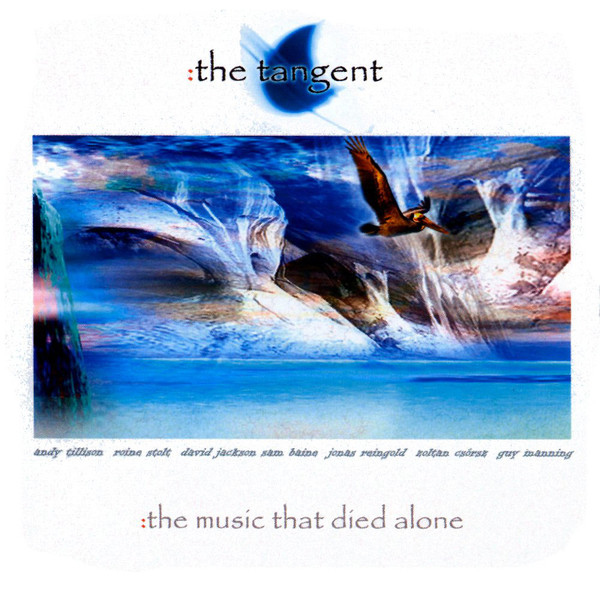
Another act (that some called a supergroup), The Tangent, was formed during this decade. The initial lineup featured keyboardist and composer Andy Tillison and Sam Baine (Parallel and 90 Degrees), Roine Stolt, Jonas Reingold & Zoltan Czsorz (The Flower Kings), David Jackson (Van der Graaf Generator), and Guy Manning (Manning). Eventually, it became Andy Tillison’s project, featuring high profile musical guests. The Tangent’s first album was titled The Music That Died Alone.
Progressive rock legends from the 1970s returned. Yes reformed without a keyboardist and stylistically chose to pursue highly creative progressive rock with the release of Magnification, which featured a symphony orchestra instead of keyboards.
Van der Graaf Generator, another cherished band from the 1970s, reunited and returned with a double album titled Present.
Kostarev Group, from Russia, proved to be one of the most exciting new acts, combining classic progressive rock with fusion and electronics.
A new graphic artist named Ed Unitsky entered the progressive rock scene in 2002. He made the cover for the Flower Kings album in 2002. The next project was the Tangent recording in 2003. Since then, Ed Unitsky has become a popular and highly reputable designer among the progressive rock community.
Key albums from this era:
2000:
- The Flower Kings – Space Revolver (Sweden)
2001:
- Transatlantic – Bridge Across Forever (international collaboration)
- La Torre Dell Alchimista – S/T (Italy)
- Magnesis – Les Gens De… (France)
- Pi2 – Demà Serà Un Altre Dia (Spain)
- Will-O-The Wisp – Second Sight (Greece)
2002:
- Kaipa – Notes From The Past (Sweden)
2003:
- King Crimson – The Power To Believe (UK/USA)
2004:
- Cabezas De Cera – Hermandad
2005:
- Wobbler – Hinterland
- October Equus – S/T (Spain)
2006:
- David Gilmour – On An Island (UK)
- Nexus – Perpetuum Karma (Argentina)
- Spin Xxi – Contraponto (Brazil)
2007:
- New Trolls – Concerto Grosso-The Seven Seasons (Italy)
2008:
- Birds & Buildings – Bantam To Behemoth (United States)
2009:
- Steve Hackett – Out Of The Tunnel’s Mouth (UK)
The 2010-2020 Era
Recommended albums from this period:
2010:
- Amoeba Split – Dance Of The Goodbyes
2011:
- Glass Hammer – Cor Cordium (United States)
2012:
- Steve Hackett – Genesis Revisited II (UK)
- Änglagård – Viljans Öga
2013:
- Steven Wilson – The Raven That Refused To Sing (UK)
- The Knells – The Knells (United States)
- Yuka & Chronoship – Dino Rocket Oxygen (Japan)
- Days Between Stations – In Extremis (United States)
2014:
- IQ – The Road Of Bones (UK)
- Farmhouse Odyssey – Farmhouse Odyssey (United States)
2015:
- Agusa – Tva
- Needlepoint – Aimless Mary (Norway)
- Yuka & Chronoship – The 3rd Planetary Chronicles (Japan)
- Nad Sylvan – Courting the Widow (Sweden)
2016:
- Anderson/Stolt – Invention Of Knowledge (Norway)
- Holon – The Time Is Always Now (Norway)
- Farmhouse Odyssey – Rise Of The Waterfowl (United States)
2017:
- Kotebel – Cosmology (Spain)
- Vitral – Entre As Estrelas (Brazil)
- Parafernalia – A Incrível Saga De Joseph Marshall (Brazil)
- Liquid Orbit – S/T (Germany)
- Karakorum – Beteigeuze (Germany)
2018:
- Focus – 11 (The Netherlands)
- Bubu – El Eco Del Sol (Argentina)
- Amgala Temple – Invisible Airships (Norway)
- All Traps on Earth – A Drop of Light
- Yuka & Chronoship – Ship (Japan)
2019:
- SBB – Fos (Poland)
- Caravela Escarlate – S/T (Brazil)
- Klava – Polku (Finland)
- Blank Manuskript – Krásná Hora (Austria)
- Mythopoeic Mind – Mythopoetry (Norway)
- Guranfoe – Sum of Erda (UK)
- Farmhouse Odyssey – Fertile Ground (United States)
- Jordsjø – Nattfiolen (Norway)
2021:
Lyle Workman- Uncommon Measures (USA)
2022
Best Progressive Rock Albums of 2022
- iNFiNiEN – Beyond the Veil (independent, 2022)
- The Lost Vision of the Chandoo Priest – The Lost Vision of the Chandoo Priest (Ams Records, 2022)
- The Aristocrats – With Primuz Chamber Orchestra (2022)
- Stick Men – Tentacles (MoonJune Records, 2022)
- Limite Acque Sicure – Limite Acque Sicure (Minotauro Records, 2022)
- Il Sogno Di Rubik – Stati Equivoci dell’Essere (M.P. & Records, 2022)
- Jordsjø – Jord Sessions (Karisma Records, 2022)
- The Guildmasters – Liber de Dictis (Seacrest Oy, 2022)
- Ben Craven – Monsters From The Id (Desert Comb Music, 2022)
- The Samurai Of Prog – Anthem to the Phoenix Star featuring Marco Grieco (Seacrest Oy, 2022)
Prog Rock Revisionism
Within music journalism, publicity relations, and certain record labels, there has been a notable trend of casting a broad net when categorizing artists and genres within the expansive world of progressive rock. This is particularly evident in the labeling of numerous heavy metal bands as ‘progressive’ or ‘prog.’
It’s worth acknowledging that the term ‘progressive metal’ is frequently employed, even though a significant portion of the bands falling under this classification predominantly align with the heavy metal genre rather than being rooted in progressive rock.
This nuanced situation prompts reflection on the fluid boundaries within musical classifications, where the lines between genres can often become blurred. While some heavy metal acts undeniably exhibit progressive elements, it raises questions about the accuracy of the ‘progressive rock’ label and the potential impact on audience expectations and perceptions.
Progressive Rock Books
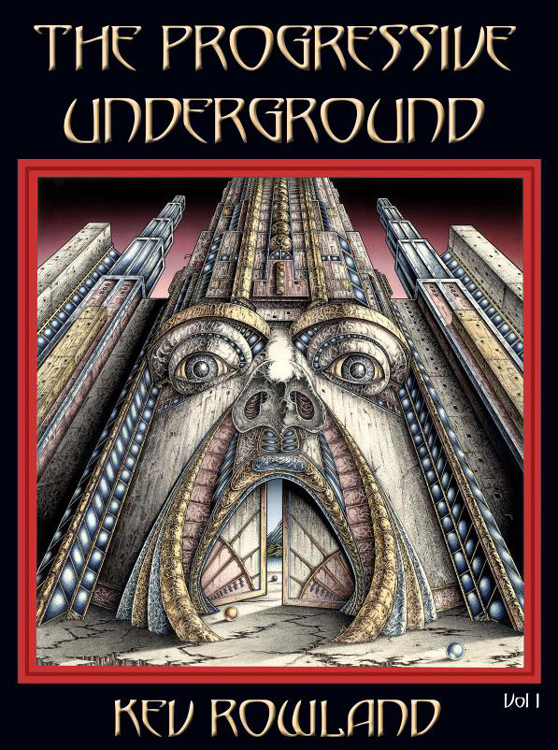
The Progressive Underground Vol. 1 by Kev Rowland (2019). Contrary to common belief, progressive rock persisted despite the rise of punk. The lack of mainstream media support drove it to the margins, relying on fanzines like ‘Feedback’ to spread the word. ‘Feedback,’ initially a newsletter, became a crucial promoter of the progressive scene under Kev Rowland’s leadership. Kev, a well-known reviewer, captured the essence of the period between 1991 and 2006 in the magazine. As the internet emerged, the need for such publications decreased, and ‘Feedback’ transitioned into ‘Amplified.’ Kev’s reviews, compiled in Volume 1, offer insights into a time when few covered progressive music constructively. It’s a nostalgic journey, reminding us that prog rock didn’t die; it just went underground. Kev Rowland, the author, is a music addict who played a significant role in promoting progressive rock through ‘Feedback’ and continues to contribute to music magazines and websites.
Progressive Rock by Country
* Progressive Rock in Argentina, pioneers of rock en español
* Progressive Rock in Belgium
* Progressive Rock in Czech Republic
* Progressive Rock in France
* Progressive Rock in Germany
* Progressive Rock in Italy, Elegance and Tradition
* Progressive Rock in Japan
* Progressive Rock in Spain
* Progressive Rock in Sweden
* Progressive Rock in The Netherlands
* Progressive Rock in the United Kingdom
* Progressive Rock in the United States
–
Edited by Angel Romero, Jerry Lucky and David Taylor